Water Districts
EV charging for water districts.
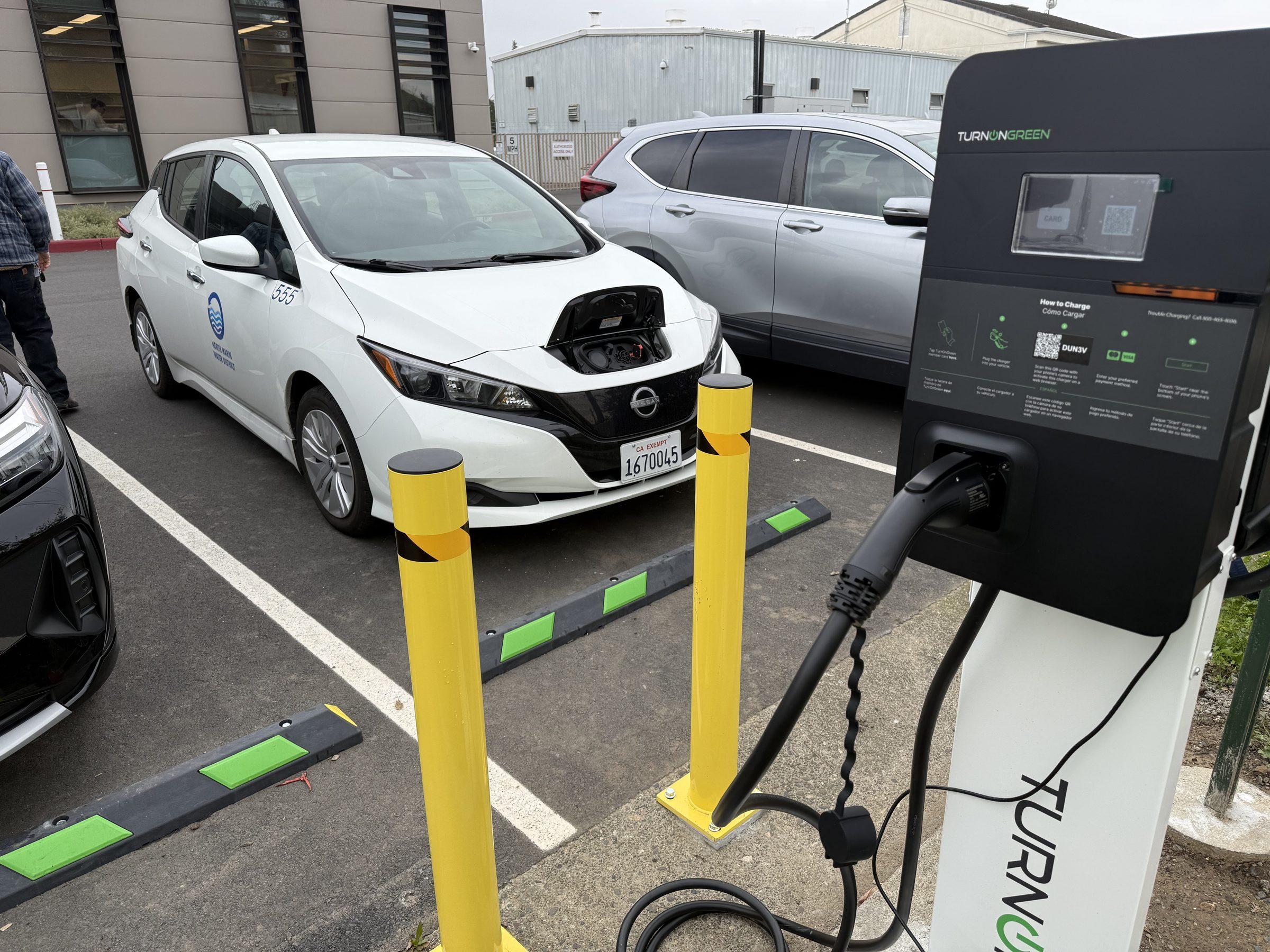
Prepare service vehicles and employee parking for electrification with charging infrastructure designed around fleet schedules, facility power, and operational requirements.
Built for your operation
Infrastructure that supports essential work.
Plan charging for district vehicles, staff, and visitors around the demands of an essential service. Connect equipment selection, incentive documentation, and reporting with a practical deployment plan.
Keep service vehicles ready
Fleet charging should be planned around vehicle return times, routes, overnight readiness, and faster turnaround needs.
Control electrical demand
Scheduled charging and load management can help districts add charging while respecting facility power constraints.
Separate fleet and employee use
Fleet-only access, employee charging rules, usage reporting, and network monitoring keep operations visible and manageable.
District charging allocation
Illustrative planning example
Give operational vehicles a defined charging plan.
- Access
- Authorized fleet
- Priority
- Vehicle readiness
- Reporting
- District fleet energy
Your program is configured around site conditions, selected equipment, and operating requirements.
Hardware and site planning
Hardware for district operations.
Use Level 2 charging for predictable overnight dwell time and DC fast charging where field vehicles need faster turnaround or shared operational flexibility.
- Keep service vehicles ready
- Fleet readiness
- Controlled demand

Software and visibility
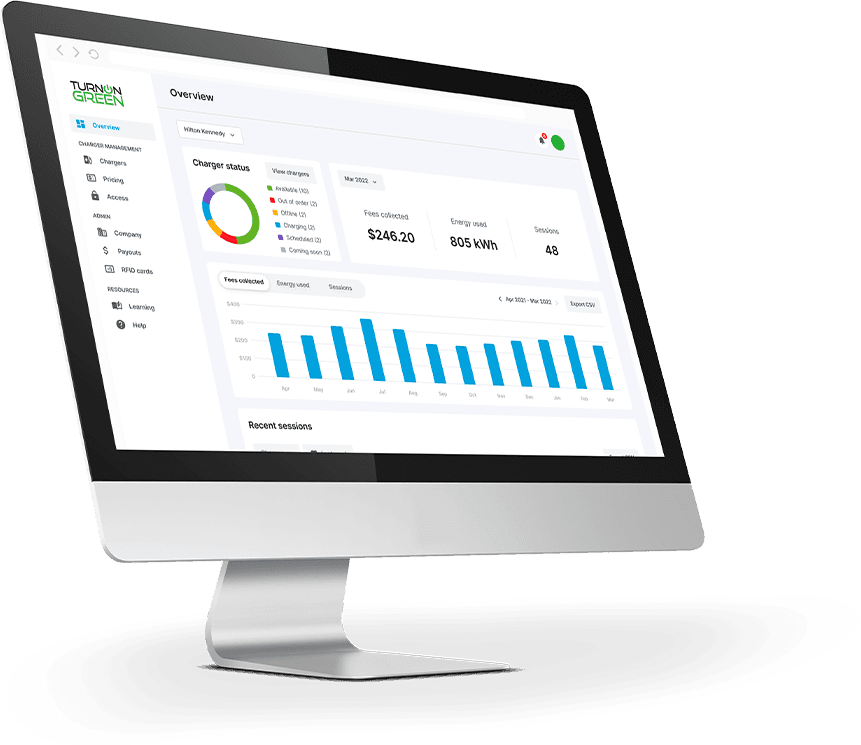
Visibility into district charging.
Apply access rules, charging schedules, station monitoring, and usage reports across operations yards, administrative offices, and community facilities.
- Access and pricing by driver group
- Session and energy reporting
- Visibility across your locations
Operations and support
Support for essential work.
Remote diagnostics, reporting, driver assistance, and service coordination help district teams maintain operational awareness and respond to charger issues.
- Charger monitoring and driver assistance
- Coordination with your installation team
- Support as your program grows

From planning to operation
A clear path to deployment.
Classify each site
Separate administrative, operations, fleet, public, and secure locations so the charging plan fits each facility.
Plan access and electrical scope
Review service capacity, security boundaries, parking rules, and whether chargers need to support fleet or public use.
Maintain visibility after launch
Use remote diagnostics and reporting to reduce unexpected downtime and support long-term infrastructure planning.
Let’s talk
Plan district charging.
Contact TurnOnGreen to review your facility needs, fleet schedule, charger options, and reporting requirements.